
Why the Loudest Voice in the Room Isn’t Always the Smartest One
Home / Management Education / Why the Loudest Voice in the Room Isn’t Always the Smartest One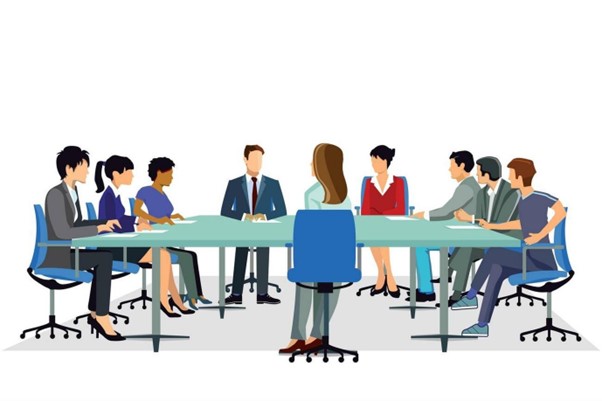

Soumya Ranjan Panda
PGDM Core
Picture a seminar room. There are ten people sitting around a table. A case study is in front of them. It is a problem that needs solving. In thirty seconds, someone starts talking. They talk easily and confidently. It is like the answer was never really in question. By the end of the discussion most of what the group concludes has their fingerprints on it.
Now picture the person two seats to the left. They read the case study. They had questions written in the margin. They had thoughts they had worked through. They had an answer that was genuinely a one. They waited for the right moment to say it. The room just moved on.
This is the part thinking about. The first person was not necessarily more prepared. They were more certain. In most rooms that is enough.
Psychologists Dunning and Kruger figured this out years ago. The less you know, the less you realise what you’re missing. So you speak freely, no hesitation. But the person who’s actually thought it through? They pause. Not because they’re unsure, but because they know the question isn’t simple. And in rooms that reward certainty, that pause gets mistaken for weakness.
In a classroom the cost is a conversation that goes slightly off course. The quiet thinker holds back a beat long. The confident one steps in. They steer things. They land a conclusion. Nobody quite notices what did not get said. In a workplace that same gap starts getting expensive. Opportunities go to whoever seems sure of themselves. It does not necessarily go to whoever has earned that sureness.
A candidate who answers every question without hesitation seems capable. Even when they are quietly filling in the blanks with guesswork. The one who says “I am not entirely sure but here is how I would think through it’s doing something genuinely harder. They are being honest in a room that is not always set up to reward that.
Yet honestly that second person is usually the one you would actually want making the call.
This is not about making confident people quieter. Depth of thinking that never gets spoken is it’s kind of waste. The question is whether we have quietly gotten into the habit of mistaking confidence for competence. What might change if we slowed down enough to tell them apart.
The capable people I have come across do not talk like they have all the answers. They talk like they trust how they think. There is a difference. They are clear. They stay open. They do not pretend the complicated parts are not there. It is a kind of confidence. Less loud. Steadier. Less performed. More real.
So, time you are in a room just notice. The person who takes a breath before they speak. The one whose answer has an “it depends” in it. Not as a dodge. Because they have genuinely thought about why it does. The one who leaves a room to be wrong. That pause before they talk is not uncertainty.
That is them thinking. Thinking.
Confidence will always find a seat, at the table. It always has. It always will. But the quieter voice, the one that earns its moment than just takes it that one deserves to be heard too.
We just must make the effort to listen for it.