

S Hafsah Sayeedah
PGDM Core
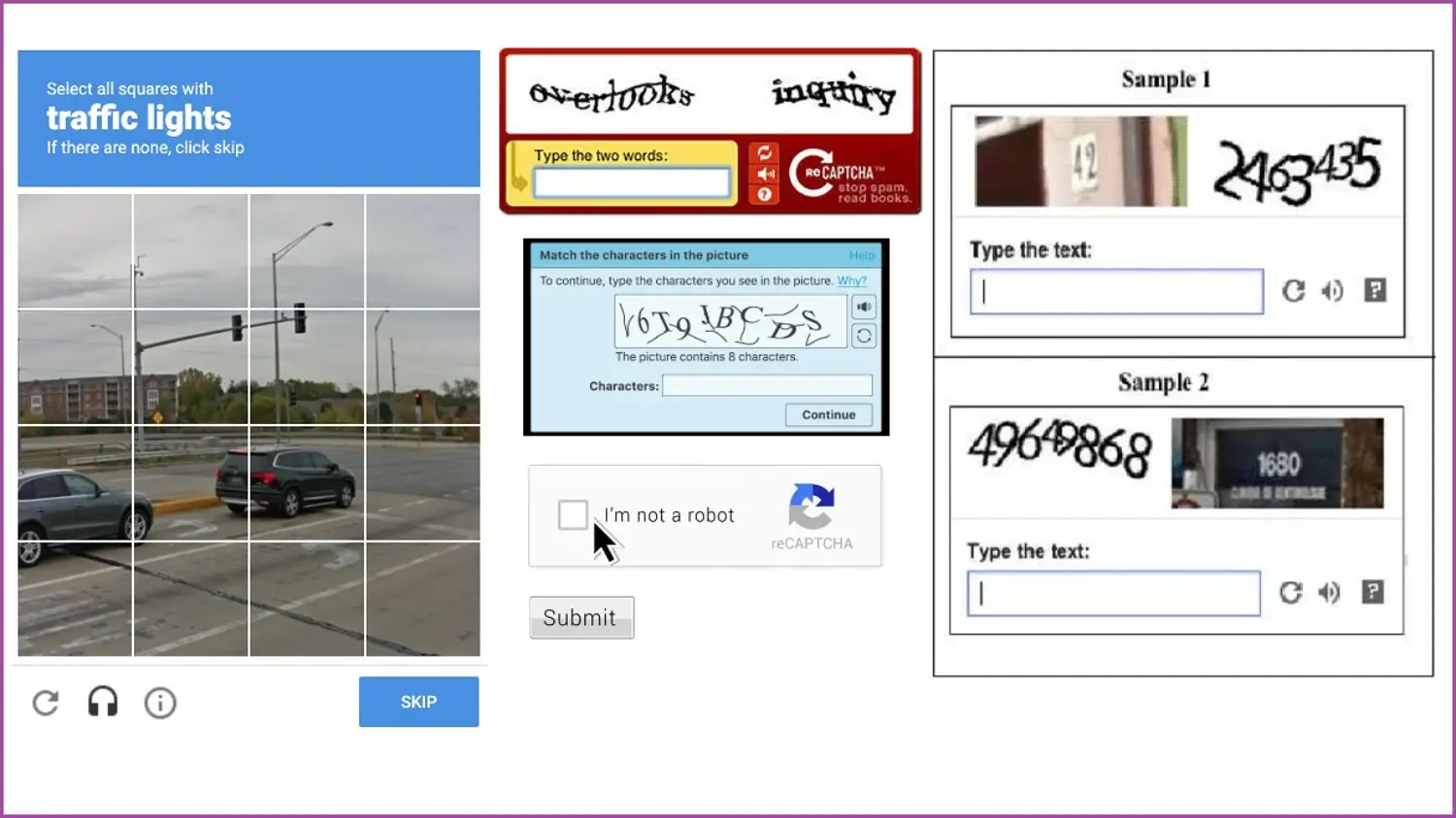
“Hello sir/madam, we can see that you have enquired on our website.”
Same story, same line. For most, this is just everyday spam a digital nuisance automatically blocked and ignored. But what if these daily “spam calls” are not viewed as isolated accidents, but rather as highly organized, industrialized business systems? Inspired by the realities exposed in Scamlands: Inside the Asian Empire of Fraud that Preys on the World, it is time to reframe the understanding of cyber fraud. This is not a couple of rogue hackers in a basement; it is a sprawling, ruthless corporate empire.
Looking at the sheer scale of this shadow economy, particularly in parts of India and across Asia, it is clear that scamming has transitioned into a full-fledged employment sector. Driven by overcrowded job markets and staggering unemployment rates, fraud has become a viable career path for thousands. In regions like Jamtara, the sheer volume and normalization of cyber theft have led to it being dubbed the “new farming.” Between 2021 and 2022 alone, financial frauds in India surged by a staggering 65%. Sitting in nondescript, makeshift call centers, young individuals are treating global deception as a standard 9-to-5 job.
What is really chilling about these transnational syndicates is that they operate with the agility of Silicon Valley tech startups, demonstrating a disconcerting level of innovation and operational excellence. Scammers are always ahead of their victims because they have systemised scam. They employ aggressive script optimization, analyze conversion rates, and map out psychological profiling. Their success relies heavily on exploiting minute, almost imperceptible details. A sophisticated phishing campaign doesn’t need to reinvent the wheel rather it just needs to slightly alter an established brand. Changing a legitimate banking handle from SBI@ to SbI@ is a microscopic shift. Yet, that single lowercase letter is enough to bypass the human brain’s pattern recognition, pumping millions of dollars into offshore accounts.
Scam networks aggressively diversify their portfolios by deploying a terrifying variety of schemes. They pivot seamlessly from classic mass-volume traps, like the infamous KBC Lottery scams that prey on financial desperation, to devastating “pig butchering” crypto frauds, where victims are bled dry after being lured in by a seemingly accidental text message. They orchestrate elaborate “digital arrest” and FedEx scams, terrifying individuals into believing they are implicated in money laundering and holding them in virtual captivity for days. At the same time, they capitalize on human emotion utilizing fake dating apps to exploit the loneliness of millions or manipulate institutional systems by forging death certificates to fraudulently claim COVID compensation and life insurance payouts.
The real-world impact, the human cost on the balance sheet of these calculated operations is staggering. It is was shocking to discover close friends, colleagues, and family members were also victims of this massive systems. While some are fortunate enough to absorb the financial blow and eventually bounce back, others are completely decimated. As highlighted in the book, many victims are systematically drained of their entire life savings and retirement funds, left with nothing but the devastating realization that their ruin was just another successful conversion metric for a faceless corporation.
The infrastructure supporting this is profoundly brutal, relying on a dark supply chain that fuels the entire empire. IT-skilled youth are routinely lured by fake job rackets, only to find themselves trapped in compounds in Myanmar or Cambodia. Hundreds and thousands of people have been trafficked to work as cyber slaves in these online scam centers. This is human capital forced to extract financial capital on a global scale. The modern digital landscape is no longer dealing with opportunistic thieves; it is up against a borderless shadow economy equipped with performance quotas, training manuals, and relentless research and development.
If fraud is no longer an anomaly but a highly efficient, industrialized sector of its own, how can society begin to dismantle a business model that treats human trust as its most profitable raw material?
Related Blogs

No Country for Young Men: A Treatise on Bihar’s Becoming
Janvi PGDM Core Working in introspection, cultural quirks, and observations into writing, and bringing in…
Convenience VS Confidentiality : The Privacy Paradox
Shruti Mishra Bringing fresh perspective to ideas, exploring the world and writing about…

The Kings Indian Gambit
Jainil A person who enjoys exploring and has a great fondness for philosophy. This…

Individuation: The Concept of Self
Jaskaran Gill PGDM Core Driven by curiosity and an urge to write constantly, He…

The Significance of Elections in India and Their Impact on the Stock Market
Ankit Aggarwal Ankit Aggarwal is a student at IMT Hyderabad with a keen interest…