Logistics Courses in India 2026: Eligibility, Fees, Career Scope & Top Colleges
Home / Academic / Logistics Courses in India 2026: Eligibility, Fees, Career Scope & Top Colleges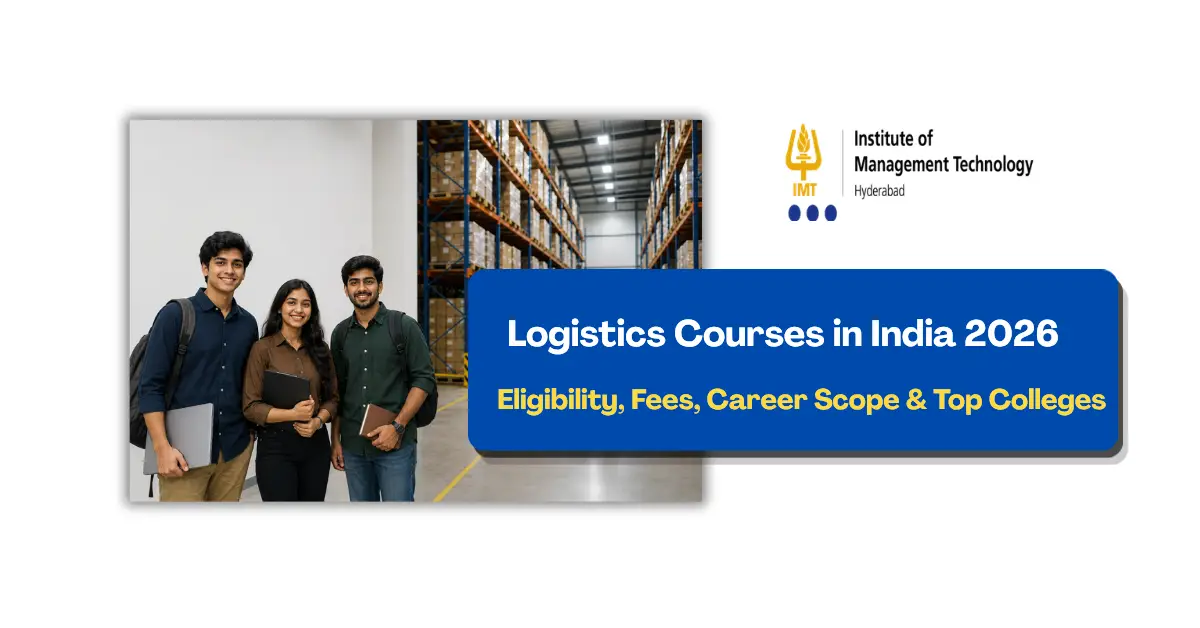
Walk into a warehouse on the edge of a small Indian city at midnight and you will find it humming. Trucks reverse into bays, scanners beep, and a planner is deciding which order ships first so a customer in another state gets a parcel by morning. A decade ago that scene was rare. In 2026 it is everywhere, and it explains why logistics courses in India have moved from a niche choice to one of the smartest career bets a student can make.
The sector has grown at a pace few predicted. India’s logistics market was valued at roughly USD 243 billion in 2025 and keeps expanding, carried by forces that feed one another. E-commerce is the most visible. As online shopping spread beyond the metros, companies built warehouses, sortation hubs, and last-mile networks at speed, and each one needs people to run it. Global trade keeps the ports busy, while infrastructure development under programs like PM Gati Shakti stitches road, rail, port, and air connectivity into one system. Sitting on top of all of it is technology, from route optimization to ERP platforms such as SAP, which has turned logistics into a data-driven profession.
So why are logistics professionals in such demand in 2026? Because the industry is growing faster than the talent pool can fill it. Companies need graduates who can forecast demand, control inventory, negotiate with suppliers, and read the data behind a delivery network. That gap between what employers need and who is available is exactly the opportunity that logistics courses in India are built to address.
Types of Logistics Courses in India
One of the strengths of this field is that there is an entry point for almost everyone, whether you have just finished school or you are a working professional looking to switch tracks. Here is how the main logistics courses in India compare.
| Course Type | Level | Typical Duration | Best Suited For |
|---|---|---|---|
| Certificate Courses | Entry / Skill-Building | 3 to 6 months | Beginners and freshers wanting quick, job-ready skills |
| Diploma / PG Diploma | Foundational to Advanced | 6 to 12 months | Those seeking practical operational knowledge |
| UG Degree (BBA / B.Sc. in Logistics) | Undergraduate | 3 years | Students after Class 12 wanting a full degree |
| PGDM in Logistics & SCM | Postgraduate Diploma | 2 years | Graduates targeting managerial roles |
| MBA in Logistics & SCM | Postgraduate Degree | 2 years | Graduates wanting an MBA with a logistics focus |
| Online Courses | Flexible, All Levels | Self-Paced to 12 months | Working professionals who cannot relocate |
Read More: Supply Chain Management Course: Types, Eligibility and Career Scope
Eligibility Criteria for Logistics Courses in India
Eligibility depends on the level of the program. The good news is that the requirements are straightforward, and there is genuinely a pathway for most academic backgrounds.
Undergraduate programs (BBA or B.Sc. in Logistics)
- Pass in Class 12 (10+2) from a recognized board, usually with a minimum of 50 percent marks.
- Open to students from any stream in most colleges.
Postgraduate programs (PGDM or MBA in Logistics and Supply Chain Management)
- A bachelor’s degree in any discipline, typically with at least 50 percent aggregate marks.
- A valid score in a national or state-level entrance exam such as CAT, XAT, GMAT, NMAT, MAT, ATMA, or CMAT.
- Final-year graduation students are often allowed to apply, subject to completing their degree before joining.
Read More: PGDM Entrance Exams in India 2026
Fee Structure for Logistics Courses in India
Fees vary widely based on the level of the course, the type of institution, and whether it is public or private. The table below gives a realistic range to help with budgeting.
| Course | Indicative Fee Range (Total) | Notes |
|---|---|---|
| Certificate Course | INR 10,000 to 60,000 | Short, skill-focused programs |
| Diploma / PG Diploma | INR 30,000 to 1.5 lakh | Varies by institute and mode |
| BBA in Logistics & SCM | INR 1.5 lakh to 7 lakh | Three-year undergraduate degree |
| MBA in Logistics & SCM | INR 2 lakh to 25 lakh | Wide spread between public and top private schools |
| PGDM in Logistics & SCM | INR 3 lakh to 20 lakh | Premier institutes sit at the higher end |
Career Scope After Logistics Courses in India
This is the section most students care about, and for good reason. The career scope after completing logistics courses in India is broad, and it spans nearly every industry that makes or moves a product, including e-commerce, FMCG, retail, automotive, pharmaceuticals, and manufacturing.
Common job roles
- Logistics coordinator or executive
- Supply chain analyst
- Operations executive or operations manager
- Procurement and sourcing manager
- Demand and supply planner
- Warehouse and inventory manager
- Last-mile delivery and transportation specialist
- Supply chain manager and, eventually, Chief Supply Chain Officer
Realistic salary ranges in 2026
One honest thing about a supply chain career is that the salary range is wide. It starts modest and can become genuinely excellent at senior levels. The figures below reflect commonly cited 2026 market data.
| Career Stage | Typical Role | Indicative Salary (Per Annum) |
|---|---|---|
| Fresher (Entry) | Logistics Coordinator, Operations Executive | INR 3 to 6 lakh |
| Fresher (Premier Institute) | Management Trainee in FMCG / E-commerce | INR 6 to 10 lakh |
| Mid-Level (2 to 5 Years) | Supply Chain Analyst, Procurement Lead | INR 8 to 18 lakh |
| Senior / Executive | Supply Chain Manager and Above | INR 18 to 31 lakh+ |
| Top Leadership | Chief Supply Chain Officer | INR 1 crore+ (with bonus and equity) |
What stands out here is the growth trajectory. The gap between fresher and senior pay in supply chain is among the widest of any management discipline. Professionals who pick up scarce skills, such as SAP S/4HANA, Lean or Six Sigma, and analytics, tend to climb faster.
Read More: PGDM in Logistics & Supply Chain: Career Scope
Top Colleges Offering Logistics Courses in India
India has a growing list of institutions offering logistics and supply chain programs, from dedicated maritime and transport universities to general management schools with a logistics specialization. When students compare options, a few names come up regularly across rankings and recruiter feedback:
- Specialized institutions such as the Indian Maritime University and Gati Shakti Vishwavidyalaya, India’s dedicated transport and logistics university.
- Private universities with structured BBA and MBA logistics programs, including UPES Dehradun and Chandigarh University.
- Management schools offering a focused PGDM in Logistics and Supply Chain Management, such as IMT Hyderabad which runs its program in collaboration with the CII Institute of Logistics.
That last category is worth a closer look for anyone targeting a managerial career. A dedicated PGDM in logistics and supply chain management is designed end to end around the domain, rather than offering it as one elective among many. We unpack what to look for in such a program next.
Read More: Top PGDM Colleges in India
How to Choose the Right Logistics and Supply Chain Management Program
Picking a program is the decision that shapes your first job and, often, your first few years in the field. Rather than chasing brochures, evaluate each option against the factors that actually predict good outcomes. Here is a checklist that students and recruiters consistently point to.
1. Industry-focused curriculum
The finest programs are revised routinely to keep up with what employers need now, not what they needed five years ago. Courses should incorporate supply chain analytics, ERP systems, procurement, warehousing, international trade, and emerging fields such as AI-driven logistics.
2. Live projects and case-based learning
Logistics is learned by doing. Programs that leverage real company cases, simulations and live projects help you apply principles to complicated, real-world circumstances. This hands-on approach is one of the best indicators of a serious program.
3. Internships and industry exposure
A meaningful internship can decide your first role. Check whether the program guarantees a summer internship, the kind of companies students intern with, and whether there are industry visits and guest sessions with practitioners. For instance, a PGDM in logistics and supply chain management generally integrates internships and industry projects into the curriculum itself, ensuring students finish with hands-on experience rather than just theoretical knowledge.
4. Industry partnerships
Partnerships with industry bodies and employers signal that a curriculum has been shaped by people who hire. The collaboration between IMT Hyderabad and the CII Institute of Logistics is one example of how a program can be co-designed with an industry centre of excellence, which tends to keep content aligned with current practice.
5. Placement support
Ask for recent placement data: the range of roles, the recruiting companies, and the share of students placed. Strong placement support, including resume help, mock interviews, and recruiter relationships, often matters more than the headline highest package.
6. Faculty expertise
Faculty who combine academic depth with industry experience teach the subject differently. They bring current examples, practitioner insight, and networks. Where possible, review faculty profiles before you apply.
7. Specialization options
Some learners want a broad management base with a logistics flavour, while others want to specialize deeply. A general MBA with operations electives suits the first group. A dedicated PGDM in logistics and supply chain management suits the second, because the entire program is built around the domain. Match the structure to where you want to end up.
Run any program you are considering through these seven filters. A course that scores well on curriculum, projects, internships, partnerships, placements, faculty, and specialization is far more likely to deliver the outcome you are paying for.
Skills You Will Build in Logistics Courses in India
Beyond job titles and salaries, logistics courses in India build a toolkit that stays useful across roles and industries. Employers in 2026 consistently value:
Demand forecasting and analytics for the supply chain
- ERP and corporate tools including SAP modules
- Management of inventory and warehouse
- Vendor negotiating, sourcing and procurement
- Lean and Six Sigma process improvement methodologies
- Decision making using data literacy, Excel and visualisation
Conclusion: Selecting the Best Course from the Logistics Courses in India
The sector is large, policy-backed, and short on skilled talent, which means real opportunity for students who train well. The wide range of logistics courses in India means you can enter at almost any stage, from a short certificate to a full two-year postgraduate program.
The smartest move is to start from your goal. If you want managerial responsibility, a dedicated PGDM in logistics and supply chain management with strong industry integration, such as the programs offered by institutions like IMT Hyderabad, gives you depth, projects, and exposure that map closely to what employers expect. If you want a quick entry, a certificate or diploma can get you working sooner. Either way, use the seven-point checklist in this guide, verify fees and placement data directly with each institution, and choose the program that genuinely fits your ambition.
Frequently Asked Questions About Logistics Courses in India
Which logistics courses in India are best for beginners?
Beginners and freshers usually start with a certificate or diploma in logistics, which builds job-ready skills in a few months. Students after Class 12 who want a full qualification can choose a BBA in logistics and supply chain management, while graduates aiming at managerial roles often prefer a PGDM or MBA in the field.
What is the eligibility for a PGDM or MBA in logistics and supply chain management?
You generally need a bachelor’s degree in any discipline with around 50 percent marks, plus a valid score in an entrance exam such as CAT, XAT, GMAT, NMAT, MAT, or CMAT. Many programs accept final-year students and welcome both freshers and candidates with work experience.
How much do logistics courses in India cost?
Costs range widely. Certificate courses can start near INR 10,000, while a full MBA or PGDM in logistics and supply chain management at a leading institute can range from a few lakh to over INR 20 lakh in total. Always confirm current fees with the institution.
What salary can I expect after a logistics course in India?
Freshers typically start in the INR 3 to 6 lakh range, while graduates from premier institutes joining large FMCG or e-commerce firms may begin at INR 6 to 10 lakh. Salaries scale strongly with experience, with senior supply chain managers earning INR 18 lakh and above.
Is logistics and supply chain management a good career in India?
Yes. The sector is growing steadily, supported by e-commerce, manufacturing, and government initiatives like the National Logistics Policy and PM Gati Shakti. This combination of growth and a talent shortage makes it a stable, opportunity-rich career path.
What is the difference between logistics and supply chain management?
Logistics is the operational movement and storage of goods, such as transportation and warehousing. Supply chain management is the broader, strategic coordination of sourcing, production, planning, logistics, and delivery. Most modern courses cover both together.
Related Blogs

Analysing frugal as well as circular economies and exploring their relevance today
Sarbanga Mishra Sarbanga Mishra, a Christ University Bangalore graduate, has served as a journalist…
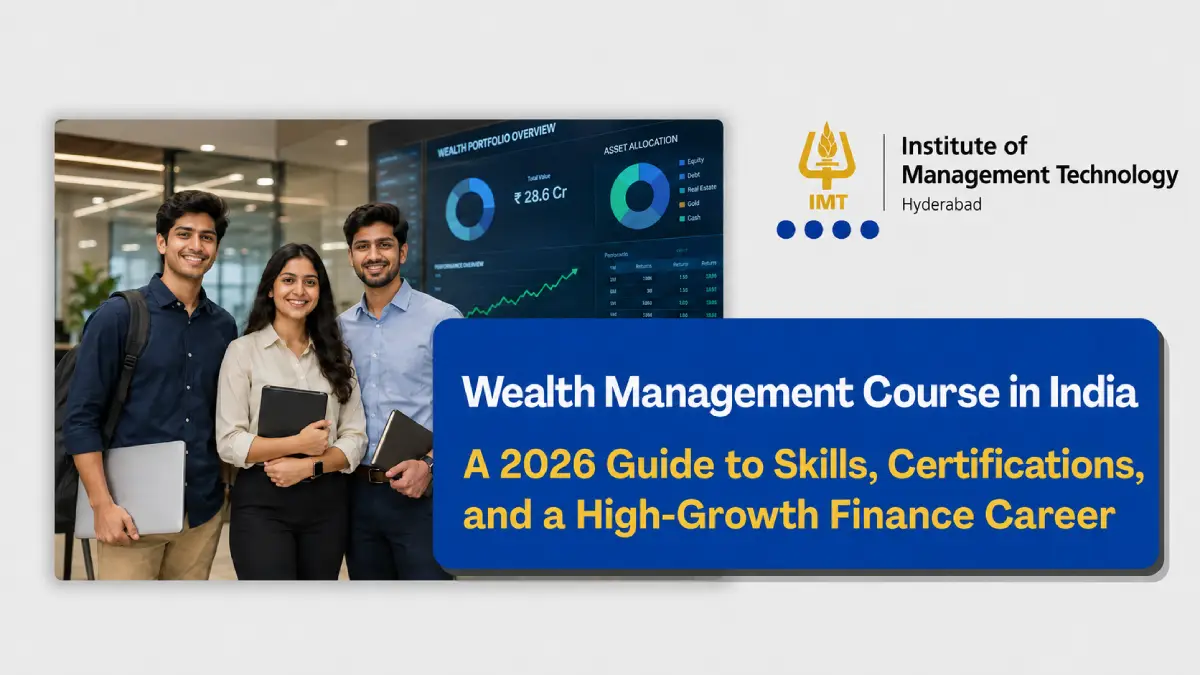
Wealth Management Course in India: A 2026 Guide to Skills, Certifications, and a High-Growth Finance Career
India is in the middle of one of the largest wealth-creation waves in its history,…

PGDM Finance Syllabus: Subjects, Curriculum & Course Structure
The PGDM finance syllabus is a two-year professional curriculum, taught over six trimesters at most…

Solving Indian Manufacturing
Janvi PGDM Core Working in introspection, cultural quirks, and observations into writing, and…
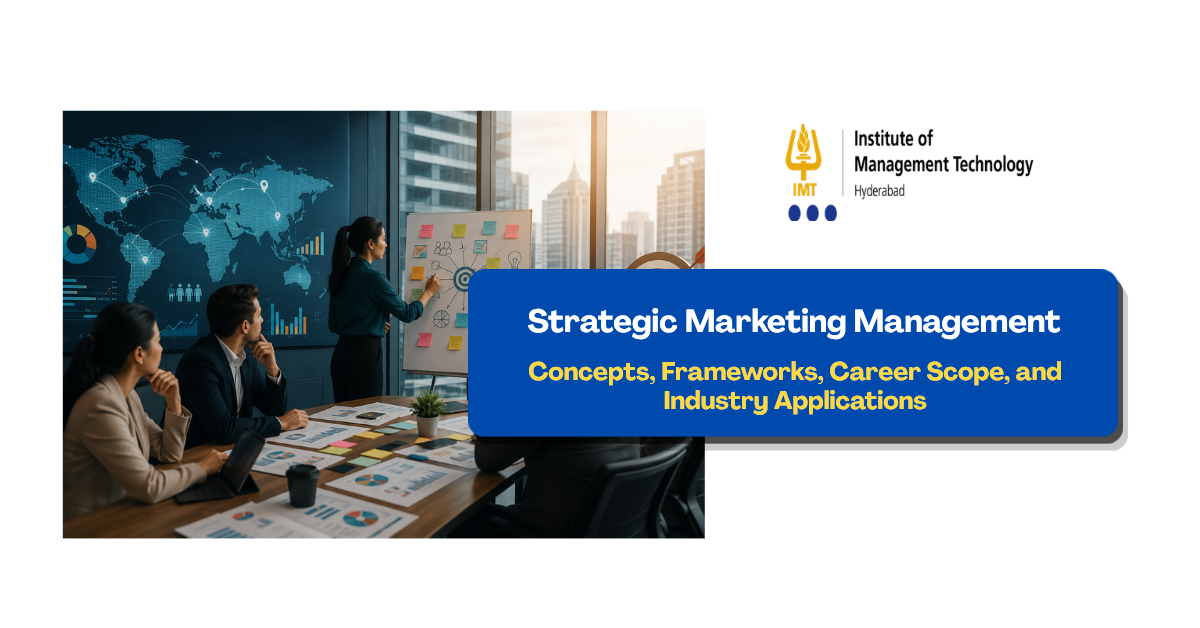
Strategic Marketing Management: Concepts, Frameworks, Career Scope, and Industry Applications
Strategic marketing management is the discipline that separates marketers who run campaigns from marketers who…

PGDM Course Details 2026: Eligibility, Entrance Exams, Fees and Career Scope
A PGDM (Post Graduate Diploma in Management) is a two-year, full-time postgraduate management qualification awarded…